What Every School District Should
Know Before Starting a Capital Project
School districts are being asked to do more than ever before. They are managing aging facilities, growing and shrinking enrollment demands, evolving educational needs, community expectations, and increasing pressure to maximize every taxpayer dollar. At the same time, the decisions surrounding facility improvements, renovations, additions, and new construction have become increasingly complex. Yet most school districts only undertake major capital projects once every decade or two.
As a result, district leaders are often expected to make decisions about facility planning, design, budgeting, and construction without the benefit of having gone through the process recently. They must rely on outside experts to help guide the journey. The challenge is not finding partners. The challenge is knowing which partners to engage, when to engage them, and how to assemble a team that is aligned around the district’s goals.
Too often, districts find themselves reacting to problems that could have been prevented months or even years earlier. A facility assessment is completed without a clear implementation strategy. A design progresses before budgets are fully evaluated.
A referendum number is established before costs are truly understood. A construction team is selected too late to the design process to provide meaningful input and a realistic budget.
The result is often unnecessary redesign, projects over budget, scheduling conflicts, and difficult conversations with taxpayers, key school decision makers and school board committee members.
The reality is that successful school projects are rarely the result of a single great decision. They are the result of a series of informed decisions made throughout the life of a project, from the conceptual stage all the way through completion.
Those decisions need to begin long before construction starts. They begin with understanding existing facilities, identifying needs, establishing priorities, assembling the right team, validating budgets, and creating a roadmap that aligns with the district’s goals.
This is where the concept of “The Right Partner at the Right Time” becomes critical.
Every project partner serves a unique purpose. Facility planners, owner’s representatives, architects, construction managers, and cost consultants each bring expertise that creates value at different stages of a project. When those partners are engaged strategically, districts gain better budget certainty, stronger project outcomes, and greater confidence in the decisions they are making.
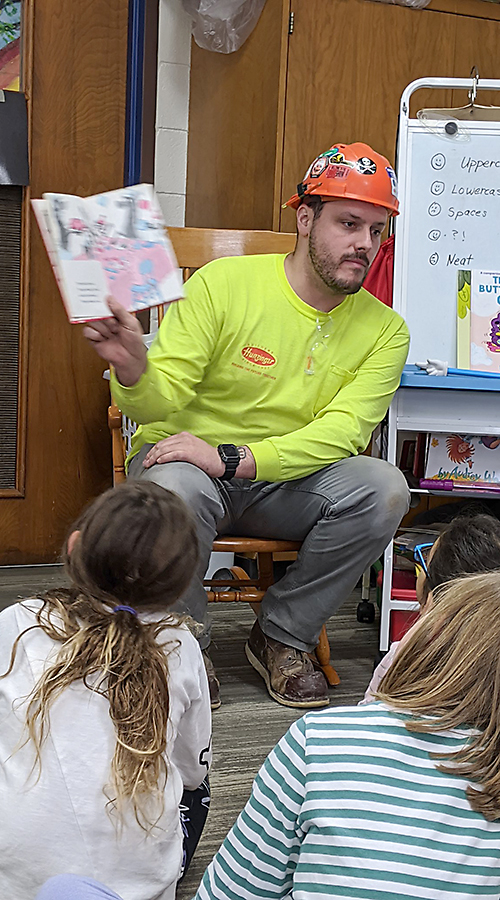
Together, Hunzinger and Facility Value Management (FVM) have developed a series of short educational videos to help school leaders navigate the often-complex journey of planning, designing, and constructing school facilities. Throughout the series, you’ll hear from industry professionals who share real-world insights, lessons learned, and practical advice to help guide districts through every stage of a successful capital project.
Throughout this series, we’ll explore six critical phases of a successful school construction project:
EPISODE 1: Building the Team Before Building the plan: The role of the Owner’s Representative.
EPSIODE 2: Selecting the Right Design and Construction Partners Coming Soon
EPISODE 3: Preconstruction: Where Projects Are Won or Lost – Aligning Budget, Design, and Expectations Before Construction Begins Coming Soon
EPISODE 4: Protecting the District During Construction and Closeout Coming Soon
Our goal is not to tell districts who to hire.
Our goal is to help districts understand when expertise creates the most value, how to avoid common pitfalls, and how to make informed decisions that protect taxpayer investments while delivering successful projects for students, staff, and the community.
Because the biggest mistake districts make is not necessarily who they hire.
It’s when they hire them.