In construction, rework is one of the most costly and frustrating challenges. Whether it is due to inaccurate drawings, overlooked details, or unforeseen field conditions, each oversight can derail schedules, blow up budgets, and add additional strain to a project.
But construction is changing.
With the rise of laser scanning and Virtual Design & Construction (Coordination), the industry is evolving from reactive problem-solving to proactive planning. Virtual Design & Construction (VDC) is an established industry term, but the “Coordination” component represents Hunzinger’s unique trademarked approach, which is our way of taking VDC to the next level. Through Virtual Design & Construction Coordination® (V.D.C.C.) we combine advanced technology, team collaboration, and field expertise to achieve a deeper level of precision and communication across all project partners.
While some of these reality capture tools have existed for years, their full potential is now being realized. By identifying issues early, aligning every trade around a shared, integrated model, and making data-driven decisions before construction begins, V.D.C.C.® increases efficiency, alleviates errors, and protects the budget. It’s an investment that consistently pays off.
Utilizing reality capture services in a project brings all stakeholders to the table and aligns everyone around a clear, visual representation of the end goal, or the current state of the project. This visual clarity helps decision-makers and owners better understand what they are going to get before construction even begins.
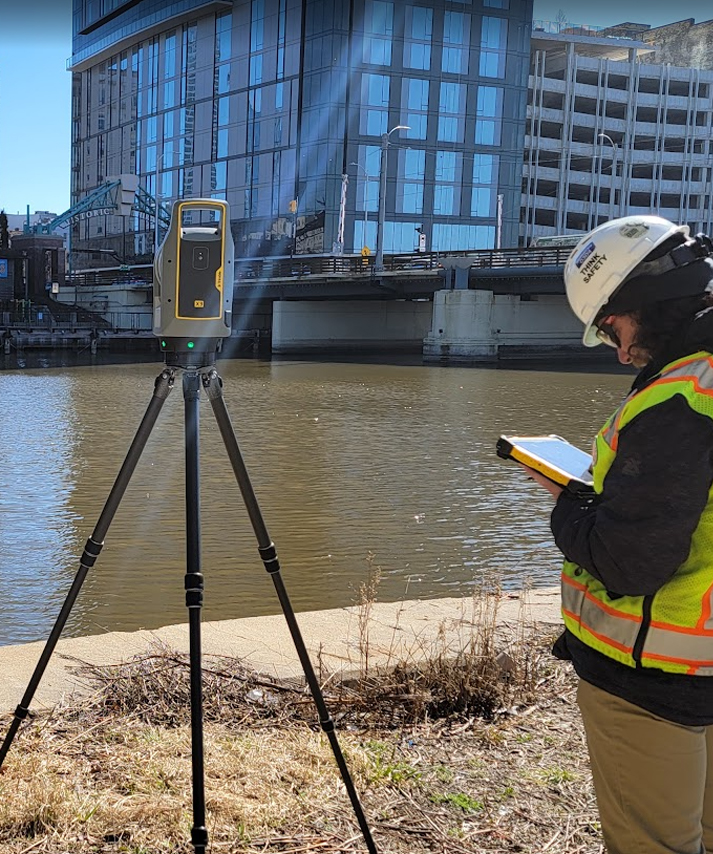
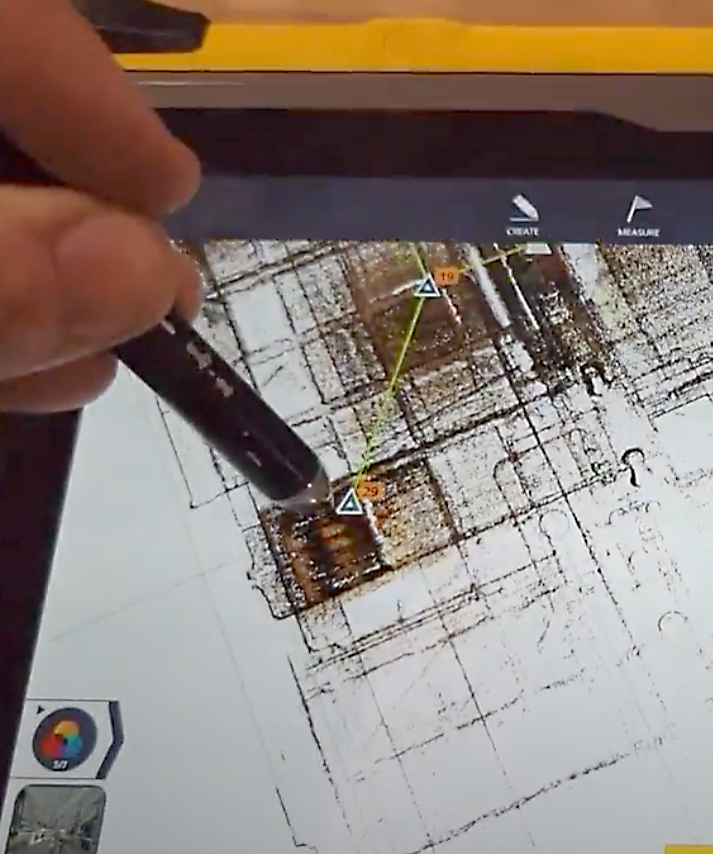
It allows them to “see the future,” making complex designs more tangible and easier to interpret. Tools like Matterport, that utilize photogrammetry and LiDAR, offer rich visual context, while laser scanning captures precise measurements, even for elements at a greater distance and not visible from view.
In this story, we will be diving in deep with our Hunzinger Experts on how Reality Capture at the early stages of design and construction matters in cutting costs and assuring accuracy of the project drawings.
What is V.D.C.C.® and Why Does It Matter?
Virtual Design & Construction Coordination® is a collaborative, model-based process that integrates design, construction, and operations to streamline project delivery and reduce risk. It leverages advanced digital tools like 3D laser scanning (e.g., Matterport and LiDAR) and Building Information Modeling (BIM) to create highly accurate representations of real-world conditions before construction even begins.
Hunzinger’s V.D.C.C.® experts take this a step further by actively driving the 3D modeling process and integrating all of the design documents: civil, architectural, structural, and MEPFP (mechanical, electrical, plumbing, fire protection), into the BIM environment. We work closely with the project designers, engineers, and trade partners to ensure that every element is modeled accurately from the submittal documents. This allows us to identify and resolve conflicts, ensuring a complete and constructible model that mirrors what will actually be built in the field. This digital-first approach enables teams to:
- Visualize project complexities before construction begins.
- Detect design conflicts early.
- Provide another set of qualified eyes to verify the accuracy of submittals and shop drawings.
- Coordinate trades more effectively and efficiently.
In short, V.D.C.C.® lets you assemble the project “virtually” before building it physically, catching issues early, minimizing waste, and building confidence in the final design.
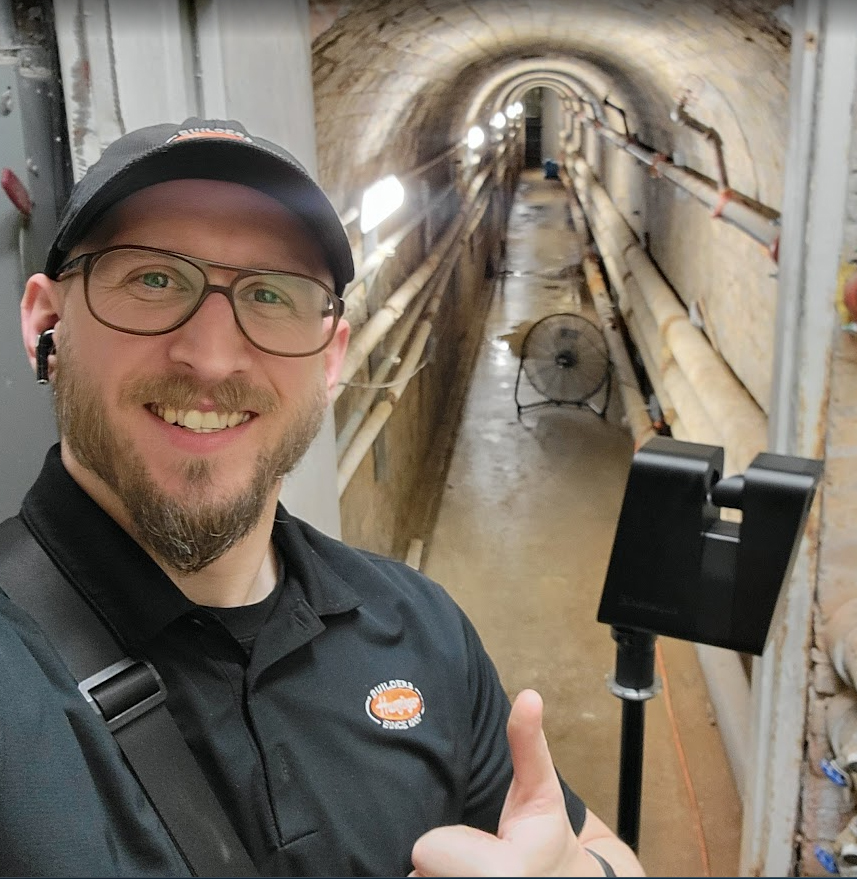
“After working to align the models, we realized there was a discrepancy of over a foot between the laser scan and the field measurements. This small difference had a ripple effect along the column lines, so the design team collaborated with us to adjust the drawings. Addressing it early helped prevent larger issues in the field, though it did shift the construction timeline by a few weeks.”— Aaron Weyhrich,
VDCC® Construction Technical Services Engineer at Hunzinger Construction
How Laser Scanning Minimizes Rework
Rework often stems from a single source: inaccurate information or incomplete drawings. Traditional renovation projects frequently rely on outdated record drawings or field notes, leading to surprises once walls and ceilings are removed through the demolition process.
For example, at the Milwaukee Youth Arts Center (MYAC), when renovating the garden level, formerly a parking area beneath an old newspaper warehouse, the team used laser scanning to verify existing conditions. When overlaying the point cloud with the architectural model, it was discovered that building column lines at the southern end of the building were off by thirteen inches. By identifying this early, we were able to collaborate with the design team to quickly resolve the discrepancy, preventing what could have become a much larger issue later in construction. This proactive coordination helped both the designers and the owner make informed decisions and avoid costly rework.
Thanks to the Virtual Design & Construction Coordination® process, the discrepancy was identified early and addressed collaboratively, preventing impacts in the field, reducing potential rework, and helping keep the project on schedule. LiDAR and laser scanning technologies developed by companies such as Trimble, FARO or even Matterport, create highly accurate, immersive digital twins of existing spaces, capturing structural, MEP, and spatial data with millimeter-level precision.
These scans can inform the teams, allowing them to:
- Identify routing conflicts at or prior to demolition
- Validate existing conditions and materials in real time
- Enable virtual walkthroughs for remote collaboration
This precise attention to detail, benefits all involved:
- Fewer RFIs and change orders
- Finding fewer conflicts in the field and troubleshooting them
- Less time spent on in-field coordinating
- Lower labor and material costs
- V.D.C.C.® is the most powerful tool to create a more realistic schedule. A great tool that can drive a more aggressive, realistic schedule.
“V.D.C.C.® allows us to drive schedules more aggressively because we’ve already identified and resolved many issues up front. The process holds all of the trades and specialty contractors and their teams accountable. It addresses early the inevitable guesswork that arises and gives everyone a clear green light to move forward with confidence.” — Aaron Weyhrich
The benefits of V.D.C.C.® are not theoretical; they are measurable and repeatable across all kinds of construction projects. It improves accuracy, coordination, and efficiency.
- Design Finalization Phase: Building Information Modeling (BIM) 3D models enable early clash detection, system visualization, and proactive issue resolution, laying a strong foundation for project success.
- Construction Phase: Models assist with planning, scheduling, and trade coordination, minimizing conflicts, rework, and material waste.
- Operations Phase: After construction is complete, models continue to add value by supporting facility management teams. They streamline maintenance, renovations, and future development by providing an interactive digital representation of the building. Tools such as Autodesk Tandem can allow teams to track asset information, manage building systems, and link to adjacent maintenance platforms for deeper operational insights, supporting data-driven decisions throughout the building’s lifecycle.
“With highly accurate record models, the owner’s teams have an exact replication of their building. They can explore spaces, click on fixtures to view linked maintenance data, or connect to live systems for operational insight. The more accurate and connected the model, the greater the possibilities.”
Tim Verheyen, VP Construction Technical Services at Hunzinger Construction

Ready to Build Smarter?
Reducing rework and cutting costs doesn’t happen by accident; it happens by design. The integration of reality capture, laser scanning, and Matterport into V.D.C.C.® workflows represent a transformative shift in how we plan, build, and manage construction projects. The leaders who embrace this change will not only build more efficiently, but they will also build the future.
 If you’re looking to reduce rework and improve renovation results, contact